What graduates take with them
Every South Hudson Institute of Technology graduate has finished a project from start to end, defended it before a faculty committee, and written it up clearly enough for someone else to build on. Every graduate has also explained a problem at the slate several hundred times, and has signed every piece of work they handed in. Every graduate has also taken the Letters sequence of writing, the history of technology, and political economy. Employers say they notice the writing first.
Where they go
Most graduates go straight to work. Engineers join design and construction firms, utilities, manufacturers, and the public agencies that run roads, water, and ports. Computing and data graduates write software for companies of every size, and a good number end up maintaining systems they first worked on as students. Many Applied Science graduates go on to doctoral programs or medical school. Letters graduates go into law, public policy, publishing, and teaching. A steady number of graduates in every major eventually come back to the Hudson Valley.
Before they graduate
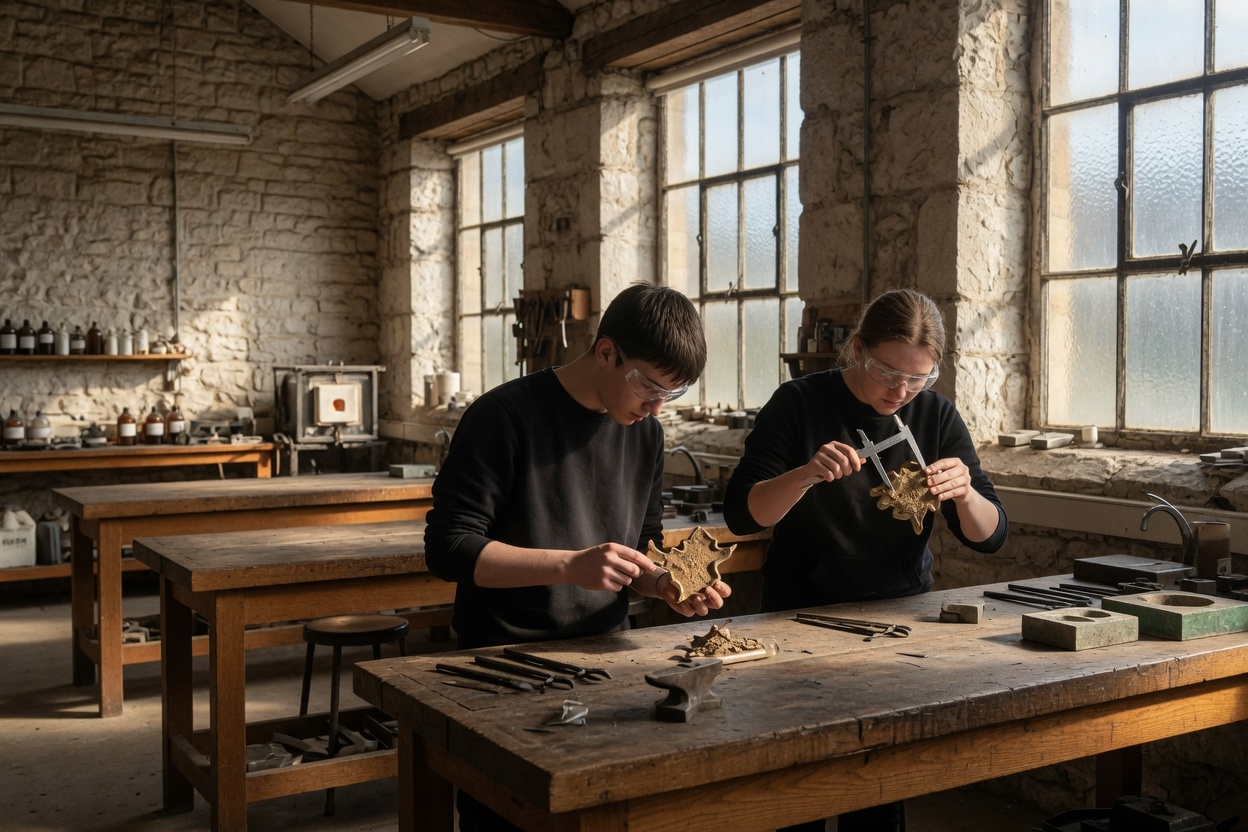
Most students spend at least one summer working: on a survey crew, in a laboratory, in an engineering office, or in the shops at North Dock. The college’s career office helps with placements from the first year on, and alumni in the field take students on in large numbers.